
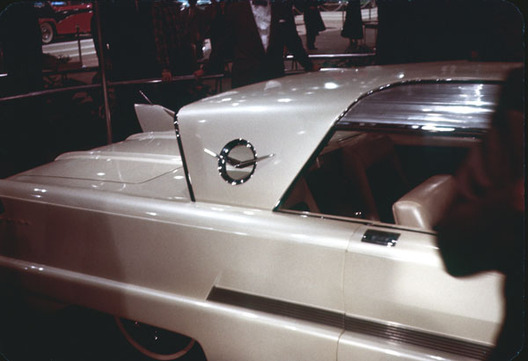
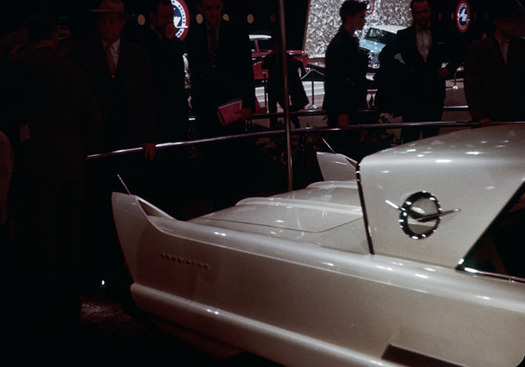
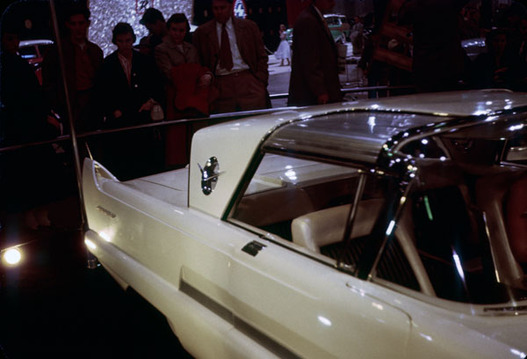
The outrageous concept cars of the 1950's Motorama Auto Shows not only captured the imaginations of the motoring public, but they also provided competitors a snapshot into the direction that a major brand may be headed. Such was the case for Ford's head of Advanced Styling, Alex Tremulis, to bring his camera along to the 1956 Motorama that showcased the pinacle of 1950's designs from each of the major car companies. Below are some of Tremulis' detail shots of fins, fenders, scoops and chrome that would be catalogued in the mind of the designer to someday later be retrieved, tweaked, and incorporated into various other visions of the future. There are plenty of photos and stories of these concept cars that can be found on the internet, however, these rare color shots give you a sense of what Tremulis felt was important or innovative for each of these important cars. You're seeing exactly what he saw through his viewfinder. Enjoy the ride...
The 1956 Motorama would be the last one held under the direction of the great Harley Earl. There were no Motoramas held in either 1957 or 1958, the year that Earl handed over GM's design reigns to Bill Mitchell, so this marked the end of an era in car design. So it's fitting that this show was complete with a theatrical stage revue as well as a short film called Design for Dreaming to introduce GM's vision of the future.
It's interesting to note that all of the non-GM cars (Mercury, Chrysler, Packard) that Tremulis photographed that day were built by Ghia.
The 1956 Motorama would be the last one held under the direction of the great Harley Earl. There were no Motoramas held in either 1957 or 1958, the year that Earl handed over GM's design reigns to Bill Mitchell, so this marked the end of an era in car design. So it's fitting that this show was complete with a theatrical stage revue as well as a short film called Design for Dreaming to introduce GM's vision of the future.
It's interesting to note that all of the non-GM cars (Mercury, Chrysler, Packard) that Tremulis photographed that day were built by Ghia.
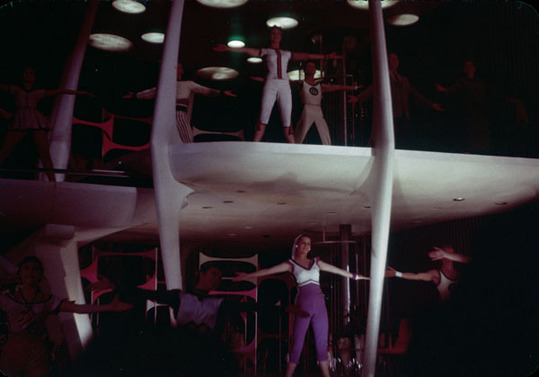
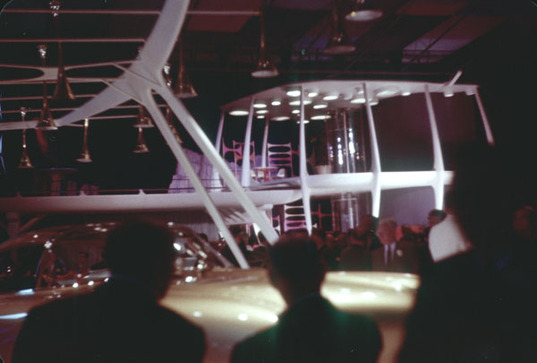
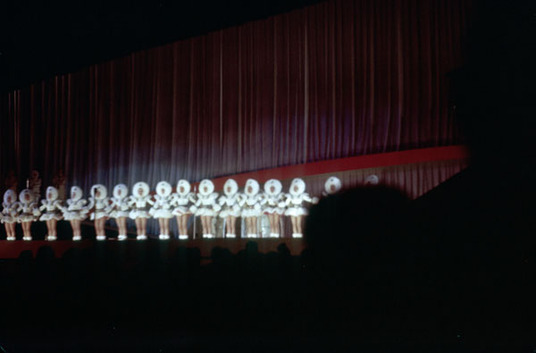
1956 Firebird II
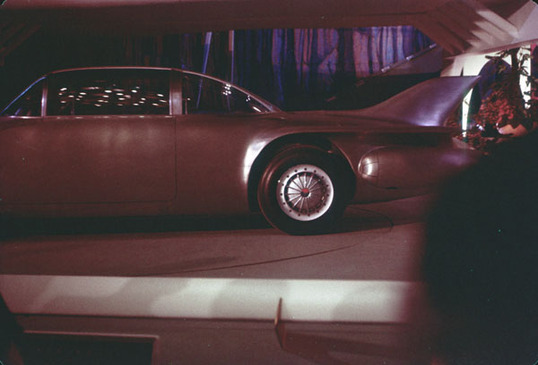
1956 Pontiac Club de Mer
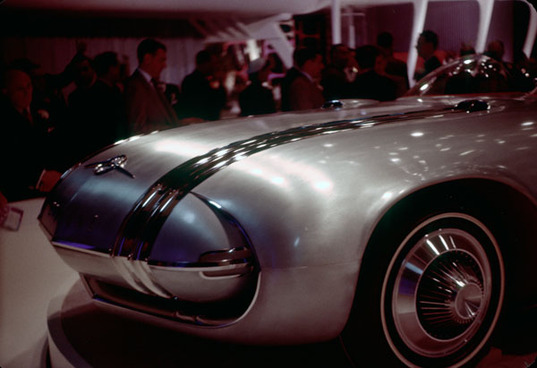
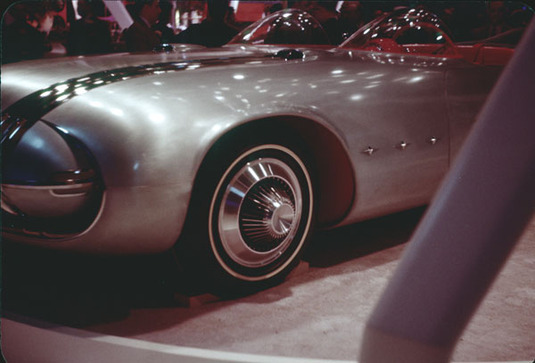
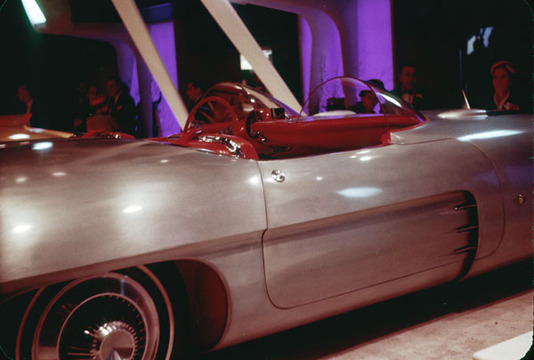
1956 Buick Centurion
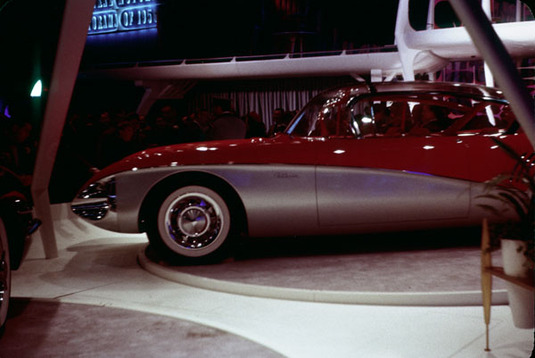
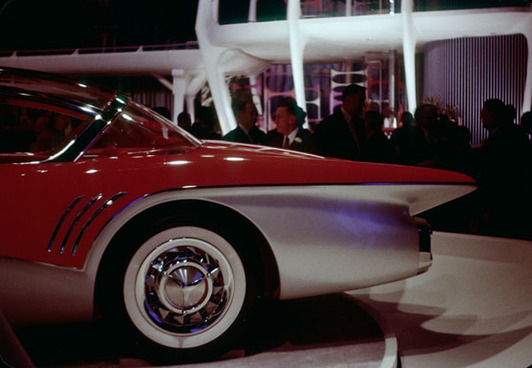
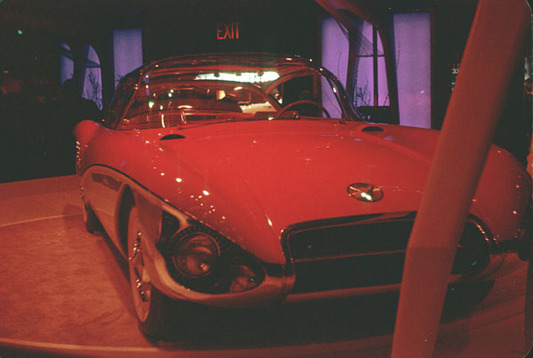
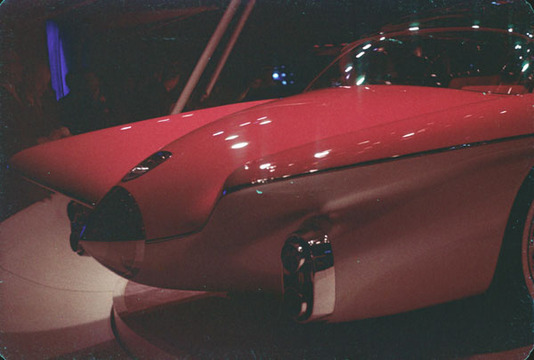
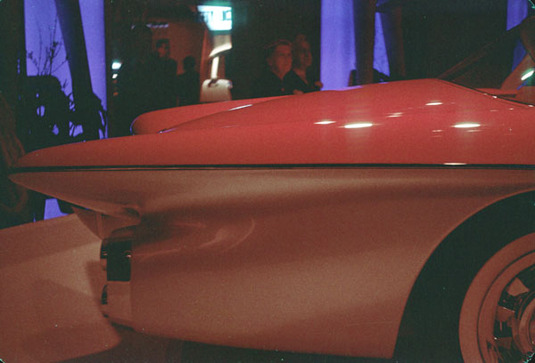
1956 Oldsmobile Golden Rocket
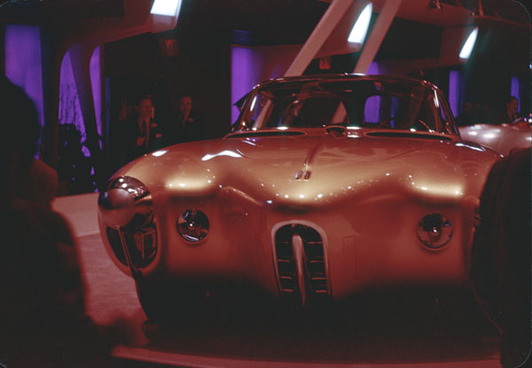
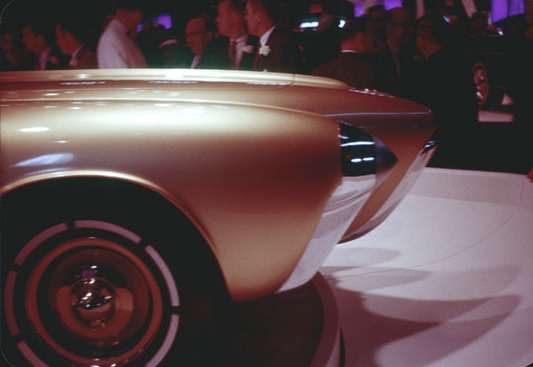
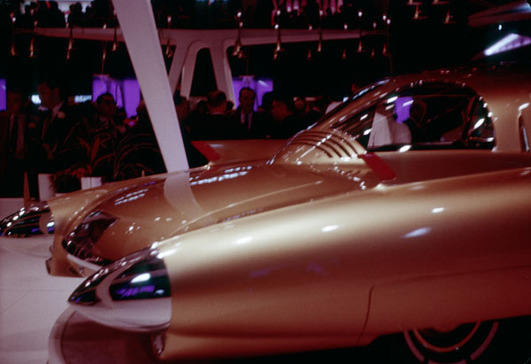
1955 Pontiac Strato Star
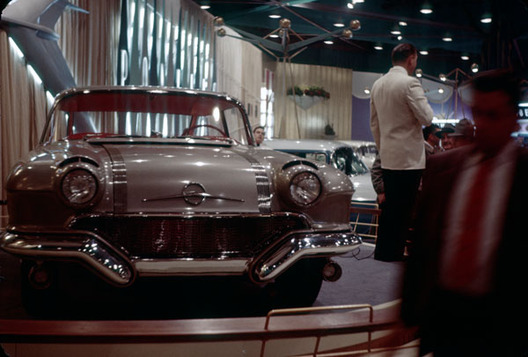
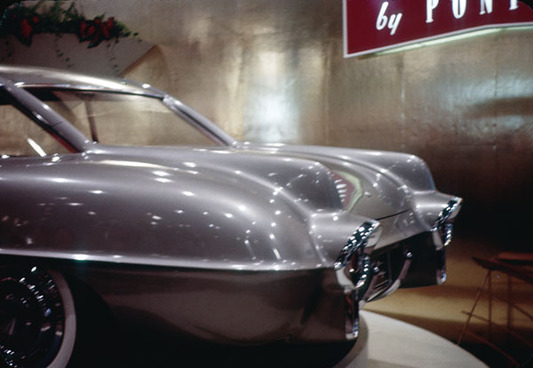
1955 Buick Wildcat III
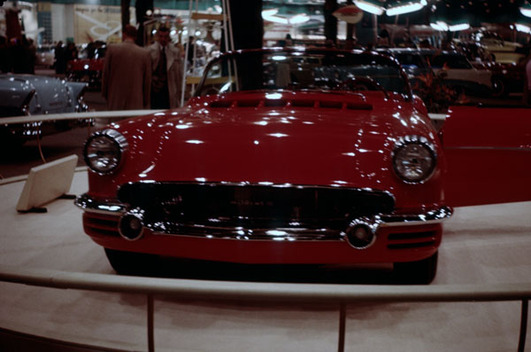
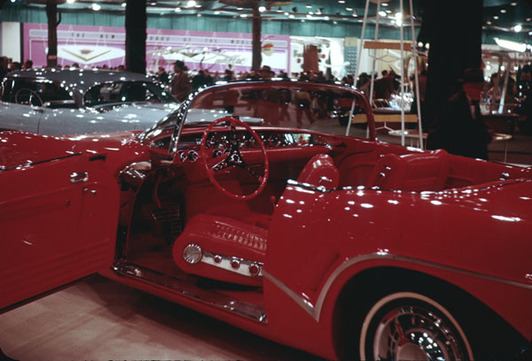
1956 Mercury XM Turnpike Cruiser (Ghia)
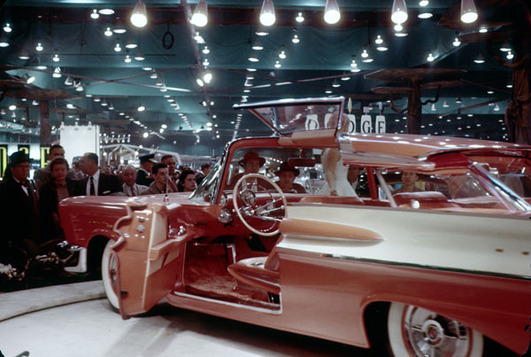
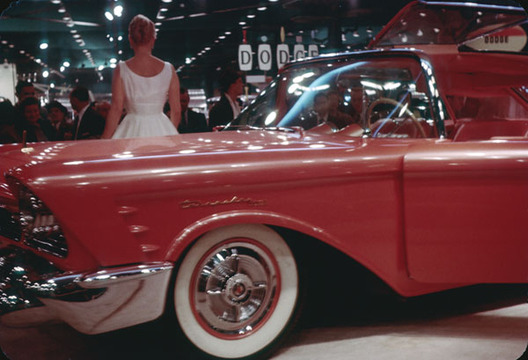
1956 Chrysler Plainsman (Ghia)
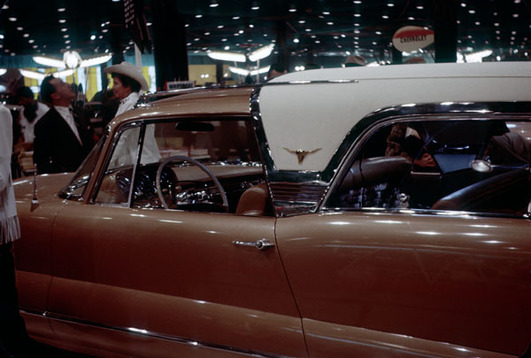
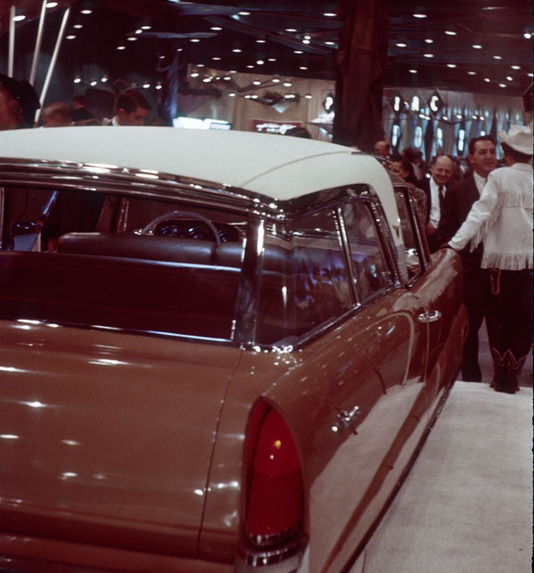
1955 Chrysler Flight Sweep I (Ghia)
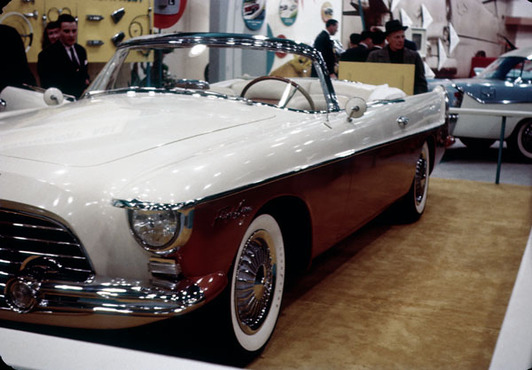
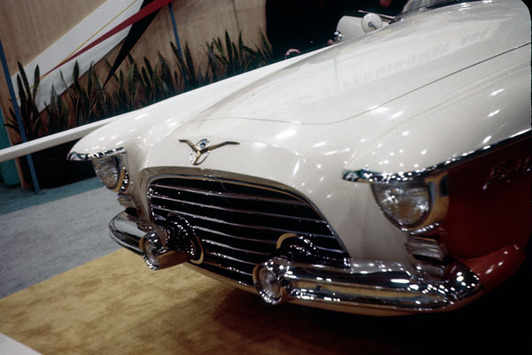
1956 Packard Predictor (Ghia)
Don't forget to get immediate updates by "LIKE"ing the Gyronaut FaceBook Page...
All photos copyright 2013 The Alex Tremulis Archives
All photos copyright 2013 The Alex Tremulis Archives
 RSS Feed
